




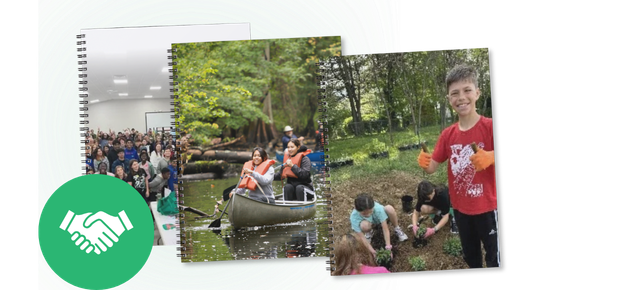
The North American Association for Environmental Education (NAAEE), in partnership with our state Affiliates and NOAA's Bay Watershed Education and Training Program, is building a Mid-Atlantic Community of Practice designed exclusively for district leaders, centered on environmental literacy as strategic infrastructure.
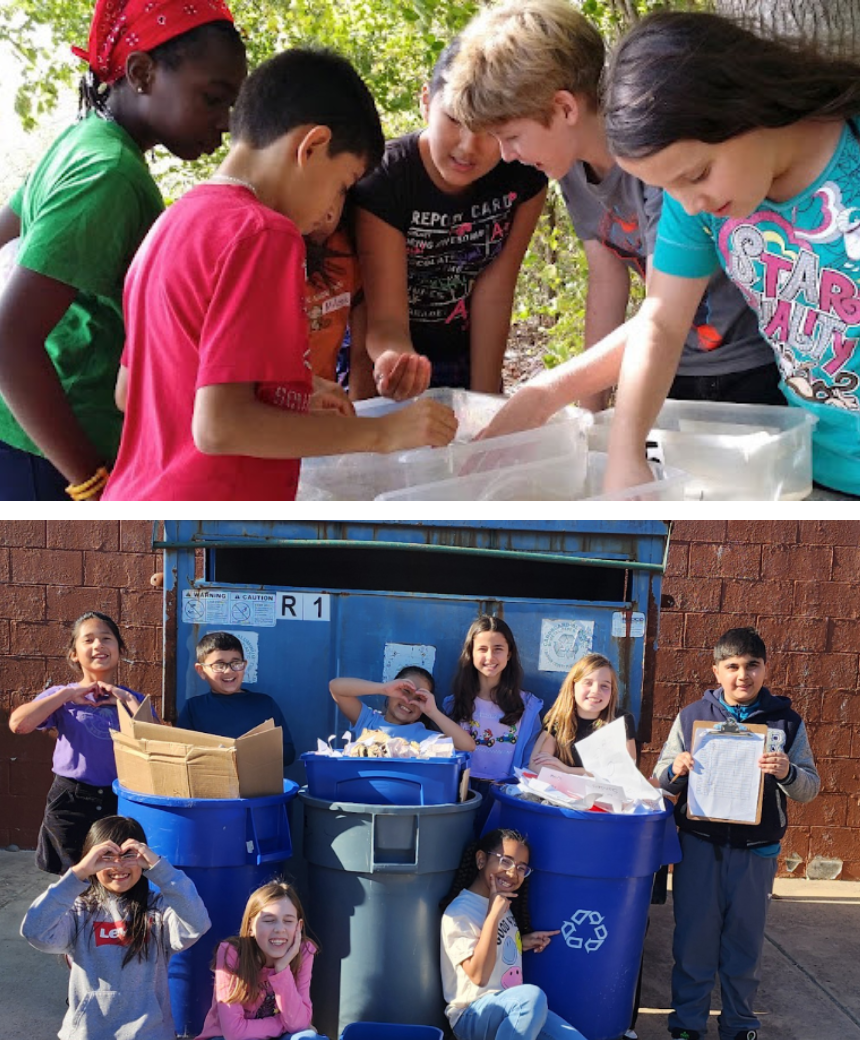
In this Community of Practice, you'll hear from superintendents and their leadership teams about how environmental literacy initiatives:
 Reduce operational costs,
Strengthen teacher recruitment and retention,
Boost student engagement, well-being, and academic outcomes, and
Build community partnerships that extend district capacity.
Learn from peer districts already seeing results, connect with superintendents facing similar challenges, and leave with quick-win strategies you can implement in districts of all sizes and demographics—no additional budget required.
Image

Join Us!
Complete a brief Google Form and select “I would like to receive information and updates about the Mid-Atlantic Community of Practice for superintendents” to make sure your district is included in the conversation.
Perks of Participation
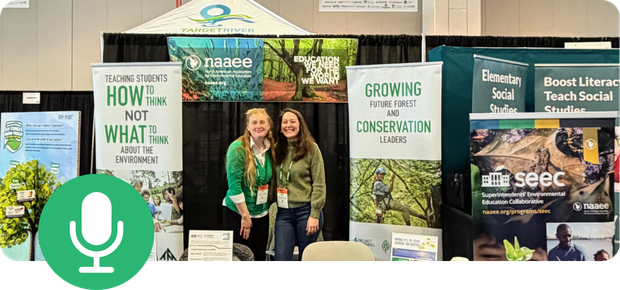
Present at the AASA’s National Conference on Education and NAAEE's annual conference and research symposium.
Learn about funding and strategies for supporting your initiatives.

Earn national recognition for your district.

Connect with your peers and state partners. See how CoP members are putting ideas into action.
The Advisory Team
Superintendent
Frederick County Public Schools (FCPS)
Maryland

Superintendent, 2022-2026
Washington County Public Schools (WCPS)
Maryland

Superintendent
Arlington Public Schools (APS)
Virginia
Superintendent
Loudoun County Public Schools (LCPS)
Virginia
Supporting Partners
Elise Trelegan, Chesapeake B-WET Program Coordinator, NOAA
Laura Collard, Executive Director, Maryland Association for Environmental and Outdoor Education (MAEOE)
Ashley Palmer, Operations Manager, Virginia Association for Environmental Education (VAEE)
David Pragoff, Board of Directors, Delaware Association for Environmental Education (DAEE)
Megan Fink, Partnership & Policy Manager, NAAEE
Sarah Bodor, Senior Director of Capacity Building, NAAEE
Our Story
In the summer of 2025, the Advisory Team and Supporting Partners held a series of meetings to identify meaningful topics and themes for discussion and learning, engagement strategies for superintendents who might be interested in sharing their knowledge and learning with us, incentives for participation, and a timeline for engagement in the Community of Practice.
What Is this Emerging Community of Practice?
The Community of Practice will serve as a network for sharing successes and best practices for building and sustaining systemic, community-based environmental literacy programming and will help superintendents identify key leverage points to launch or expand sustainability initiatives in their districts.

Who Is this Community of Practice for?
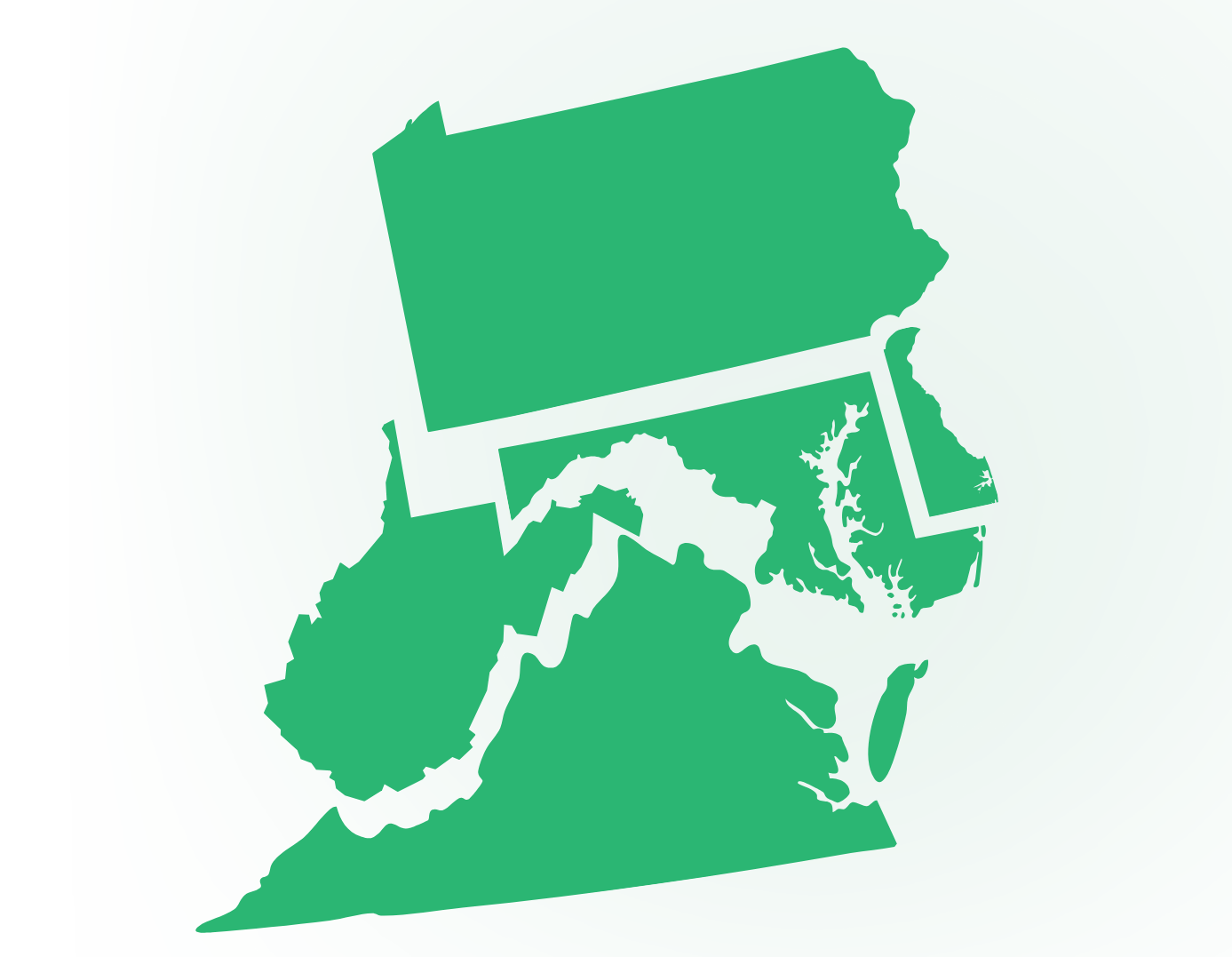
Superintendents in the following Mid-Atlantic states: Virginia, Maryland, Delaware, Pennsylvania, West Virginia, and the city of Washington, D.C. The Community of Practice will also be designed to engage other district leaders, including school board members, Directors of Curriculum and Innovation, Chief Operating Officers, Directors of Facilities, and Career and Technical Education (CTE) Directors who may be interested in some or all of the topics the Community of Practice will explore.
What Key Topics, Tools, and Strategies Will Be Presented?
Key topics, tools, and strategies that will be presented and discussed within the Community of Practice will include:
- Model programs that integrate environmental literacy and sustainability into curriculum across grade levels from the Mid-Atlantic region and across the U.S.
- The evidence base for and benefits of inquiry-based environmental education for students, teachers, and school culture
- Forming an effective leadership team that includes school board members, curriculum supervisors, facilities managers, students, and community members
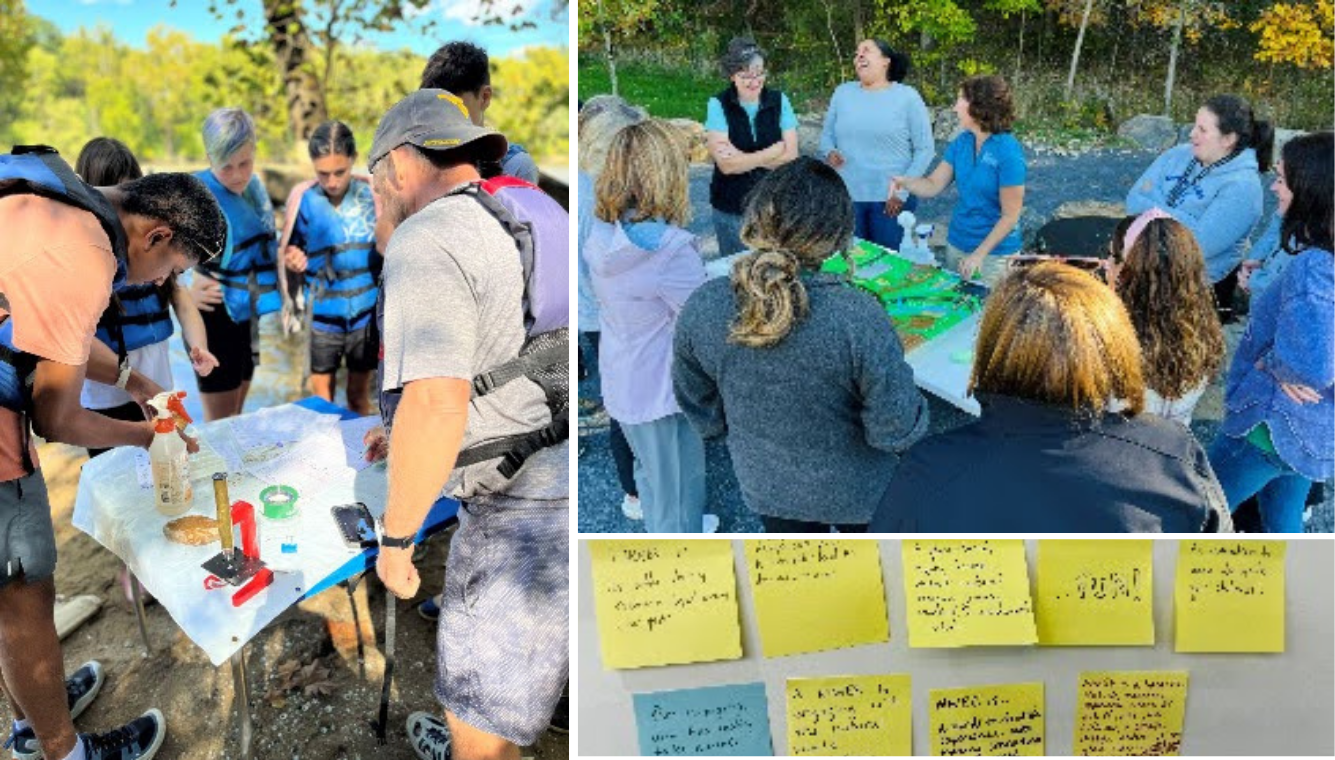
- Effective teacher professional development for environmental literacy, including Meaningful Watershed Educational Experiences (MWEEs)
- Developing community partnerships with outdoor education providers and nonprofit organizations to enhance hands-on learning
- Bolstering CTE by integrating opportunities for natural resources workforce development in curriculum
- Leveraging Environmental Literacy Plans and state standards to guide systemic efforts
- Policies and funding pathways to support and sustain systemic efforts
Why Now?
Research shows that administrator support has a big impact on teacher confidence to implement new curricular initiatives (Nevenglosky et al., 2019). NAAEE’s own report, Mapping the Landscape of K12 Climate Change Education Policy, and findings from a nationally representative survey of more than 800 classroom teachers and school and district administrators found that policy and “signals from the top” matter when it comes to what is taught in the classroom.
By supporting administrators in building systemic environmental literacy programs, this project can impact thousands of students in participating districts, offering peer-to-peer learning and technical assistance to advance school district priorities and student learning. When administrators are on board, it can help ensure that more students have access to high-quality environmental education experiences and opportunities to develop the key competencies and dispositions needed for a future-ready workforce.
Ideas in Action
Arlington Public Schools, Frederick County Public Schools, and Loudoun County Public Schools are finding creative ways to build environmental literacy into curriculum, operations, and community partnerships. Explore how these districts put their ideas into action.
Image

Arlington Public Schools (APS)
Making sustainability part of the school experience
School-based sustainability liaisons, collaboration between educators and operations teams, and partnerships with outdoor learning organizations help spread environmental literacy across district schools. Learn more from Dr. Francisco Durán's presentation at the Virginia Association of School Superintendents' 2026 spring conference.
Image

Frederick County Public Schools (FCPS)
From classroom learning to green careers
Students engage with local environmental issues across subjects and grade levels, earn sustainability-focused, industry-recognized credentials, and explore green careers through community partnerships. Learn more about how Dr. Cheryl Dyson and her team have made strategic investments in systemic environmental literacy and sustainability in the overview below.
Image

Loudoun County Public Schools (LCPS)
Turning sustainability goals into student action
With a district-wide sustainability framework and a mission to empower students to make meaningful contributions to the world, this district turns environmental learning into action. Learn more from Dr. Aaron Spence's presentation at the Virginia Association of School Superintendents' 2026 spring conference.
Image

Ready to Learn and Build Alongside Other Districts?
Join the Mid-Atlantic Superintendent Community of Practice for Environmental Literacy to connect with peers, exchange ideas, strengthen your programming, and share what you're learning along the way.